Station setup and mise en place
Build a station that supports consistent prep. You practice tool placement, container logic, labels, and a “reset” routine that keeps the area service-ready.
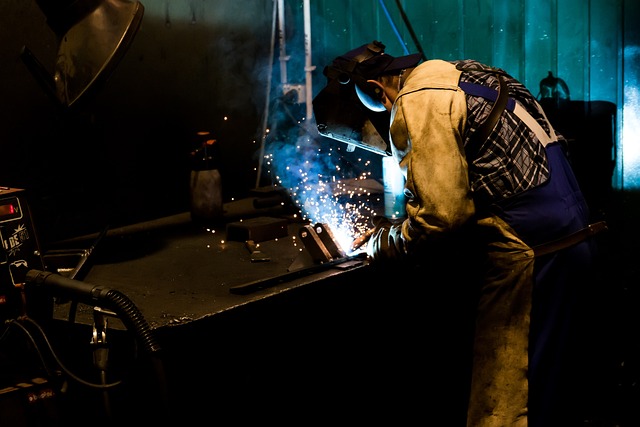
Sessions emphasise good habits and clarity. They are suitable for onboarding, refreshers, and beginners who want a structured starting point.
Workshops are organised around everyday kitchen tasks. The goal is to make professional environments easier to navigate by focusing on predictable routines, clear station ownership, and safe equipment awareness. Each theme includes practical examples and a short take-home checklist suitable for self-study or team onboarding.
If you are unsure where to start, review the beginner pathway in Guides first. That context makes the workshop exercises easier to follow.
Build a station that supports consistent prep. You practice tool placement, container logic, labels, and a “reset” routine that keeps the area service-ready.
Learn typical operator responsibilities: daily checks, safe use reminders, cleaning points, and what to do when equipment behaves unexpectedly.
Follow a simplified flow from receiving to prep to service. The emphasis is on clear handoffs, reducing unnecessary movement, and making tasks visible.
Understand what to clean, when, and why. You practice a close-down sequence that supports separation, safe storage, and a clean restart.
Workshops do not claim to replace workplace training, manufacturer manuals, or legally required food safety instruction. They are designed to support understanding, reinforce good habits, and provide a structured way to practise routine tasks in a professional setting.
Sessions are designed to be calm and structured. We use clear terms, visual station cues, and short exercises so beginners can practise without feeling rushed. The focus is on routines you can repeat on shift, not on performance or speed.
We begin with workstation boundaries, basic hygiene expectations, and how to interpret simple station labels. This sets a consistent baseline for the exercises.
You build a simple prep station with tool placement, container selection, and clear labelling. The goal is to make the “next action” easy and the “wrong place” obvious.
We review common equipment touchpoints: what to check daily, where residue typically builds up, and how to avoid unsafe shortcuts. For deeper reading, see Equipment.
You practise a reset: clean, store, label, and verify key points. You leave with a short checklist you can adapt to your role. For guidance on hygiene logic, see Hygiene.
These answers help clarify what to expect from a workshop and how to prepare. If you want foundational reading before a session, start with Guides.
Yes. Sessions are built for beginners and explain terminology, station boundaries, and routine expectations. You do not need prior kitchen employment to follow the exercises.
No. The platform provides educational resources and practical learning sessions. Any workplace-required certifications should be obtained through approved training providers and employer guidance.
Start with station fundamentals in Guides, then review the relevant sections in Equipment and Hygiene.
For scheduling questions, use the contact form on the homepage. Include your preferred topic and approximate dates, and we will reply by email with options and next steps.
The information on this website is for informational and educational purposes only. It does not constitute professional safety, legal, or regulatory advice. Always follow your employer’s procedures, manufacturer instructions, and any applicable food safety and workplace safety requirements. If you are unsure about how to operate or clean any equipment, seek training from a qualified supervisor or technician.